
Tanzania holds around 20% of Africa’s large mammal population, spread across 21 national parks, marine parks, conservation areas, and game reserves covering roughly 42,000 square kilometres (16,000 sq mi), close to 30% of the country’s land area. It is often called the finest safari country on the continent, and the numbers support that: at least 310 mammal species, the fourth-highest count in Africa.
The Serengeti alone covers 14,763 square kilometres (5,700 sq mi) and is famous worldwide for its wildebeest and zebra migration. Wildlife tends to concentrate around Tanzania’s wetlands, where water-loving species such as hippo, waterbuck, warthog, elephant, crocodile, and the elusive sitatunga gather alongside flamingos and other waterbirds.
Several of Tanzania’s species are endangered, among them the black rhino, the Uluguru bush shrike, wild dog, cheetah, and elephant, along with the red colobus monkey, the Pemba flying fox, and all three of the Indian Ocean’s nesting turtles: hawksbill, green, and leatherback.
Tell us where you are dreaming of going, and which animal is on your wish list. Browse our safari tours for inspiration.
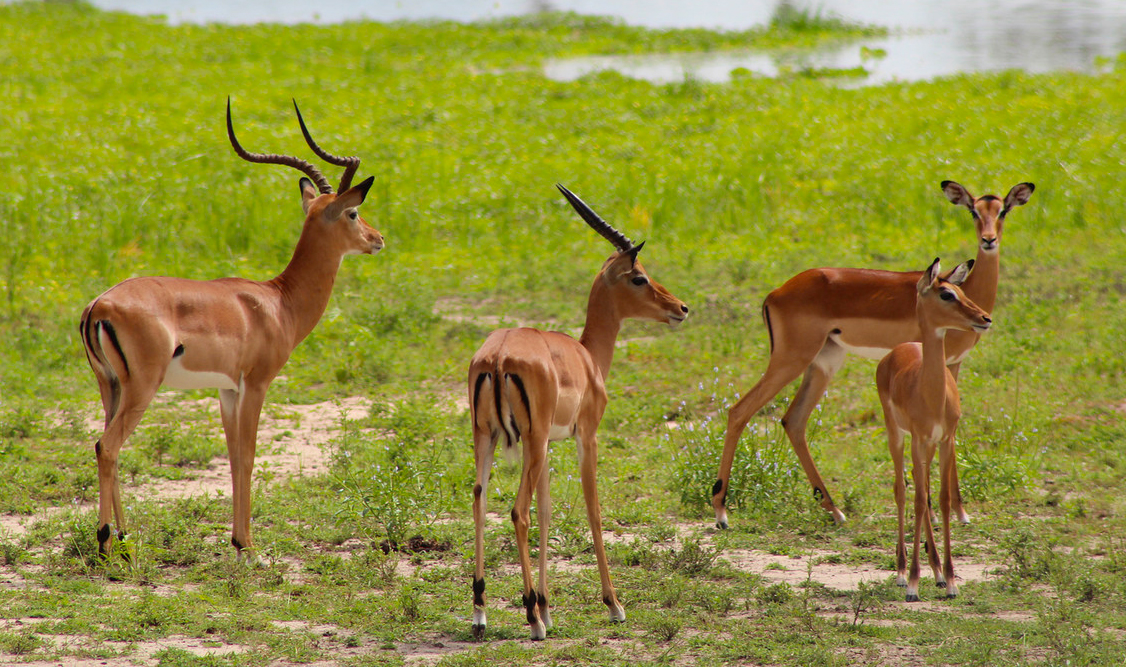
Mammals: Beyond the predators and primates covered below, Tanzania’s plains and woodlands hold the African bush elephant, zebra, hartebeest, impala, and the long-necked gerenuk, sharing the ground with common warthog, hippopotamus, crocodile, and the diminutive suni, the world’s smallest antelope. Rhino survive here too, in a small number of closely protected strongholds.
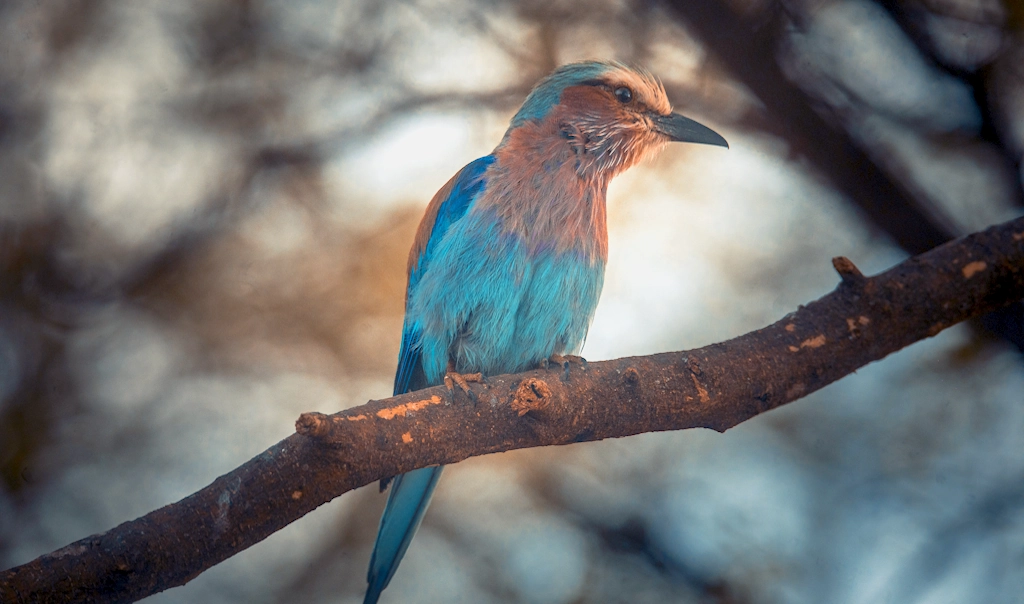
Birds: Birdlife is one of Tanzania’s quieter draws. BirdLife International records 1,128 species across the country, including 23 found nowhere else on earth, 35 considered globally threatened, and a handful introduced from elsewhere. Wetlands and lake shores are usually the best starting point for serious birdwatching.
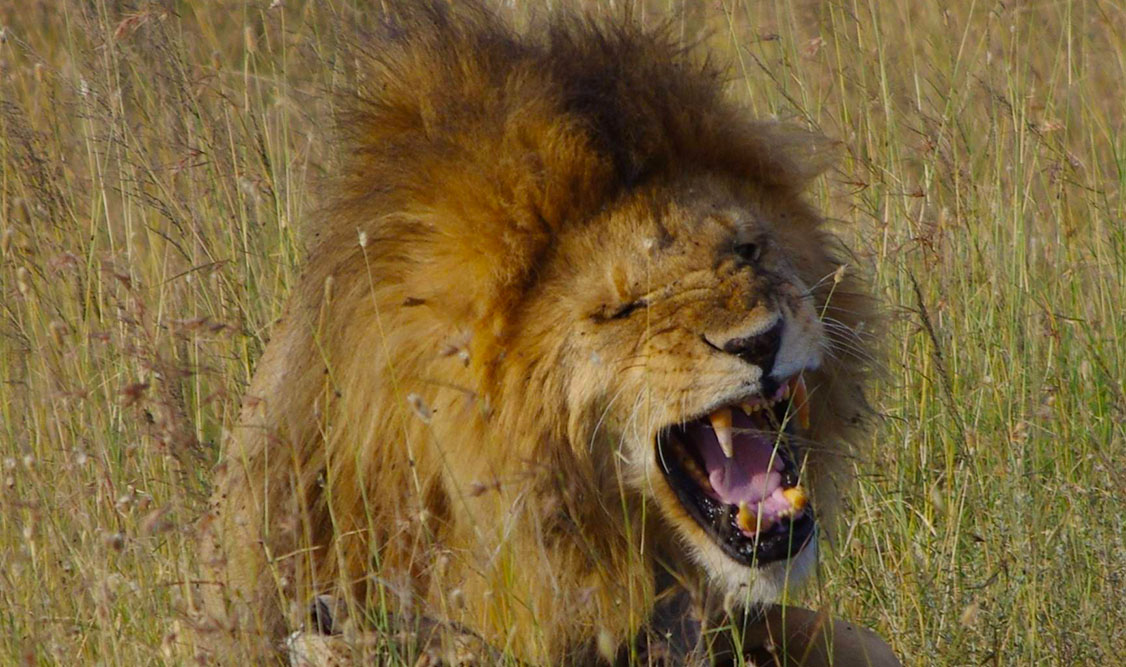
Predators: Tanzania’s predators go well beyond the big cats. Lion, leopard, and cheetah share the landscape with spotted and striped hyena, black-backed jackal, and the smaller caracal and serval, along with civet and genet, both more often heard than seen.
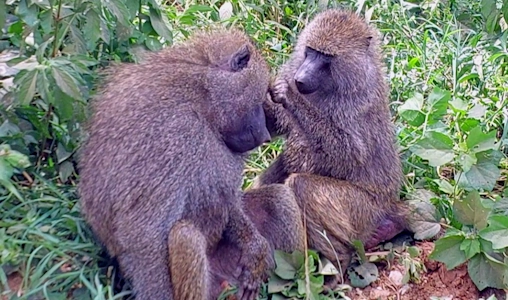
Primates: Chimpanzee populations survive in the forests of the far west, at Mahale and Gombe. Baboon, colobus, vervet, and Sykes’ monkey are far more widespread and easily seen on safari, while the smaller bush babies and galagos are mostly nocturnal, best spotted by torchlight around camp.
Back to Safari Tours