PURELY TANZANIA

Tribes & Culture


Tanzania is one of the most culturally diverse countries on earth, home to more than 120 distinct ethnic groups, each with their own language, traditions, and way of life. Many of these communities have changed little over the centuries. Not because they have been left behind, but because they have chosen to hold on to what matters.

A cultural visit with Pure Afro Travels is never a staged encounter. We have built genuine relationships with the communities we work with over many years, and the welcome you receive reflects that. Track and hunt with the Hadzabe Bushmen, one of the last true hunter-gatherer peoples on earth, and see the world through eyes that read the bush in a way most of us have long forgotten. Step inside a Maasai boma and be welcomed into a life built around cattle, community, and centuries of proud tradition. Visit the Chagga people on the slopes of Kilimanjaro, farmers and craftspeople whose history is woven into the mountain itself. These are just some of the communities we work with, and each one offers something entirely its own.

Browse our Tribes and Culture section below to see the experiences we offer. Every safari tour and trekking programme can include a cultural visit, either woven directly into your itinerary or added as an extension. It is one of the most meaningful things you can do with a day in Tanzania, and one of the easiest things to arrange.

Get in touch and tell us what draws you. We will do the rest.

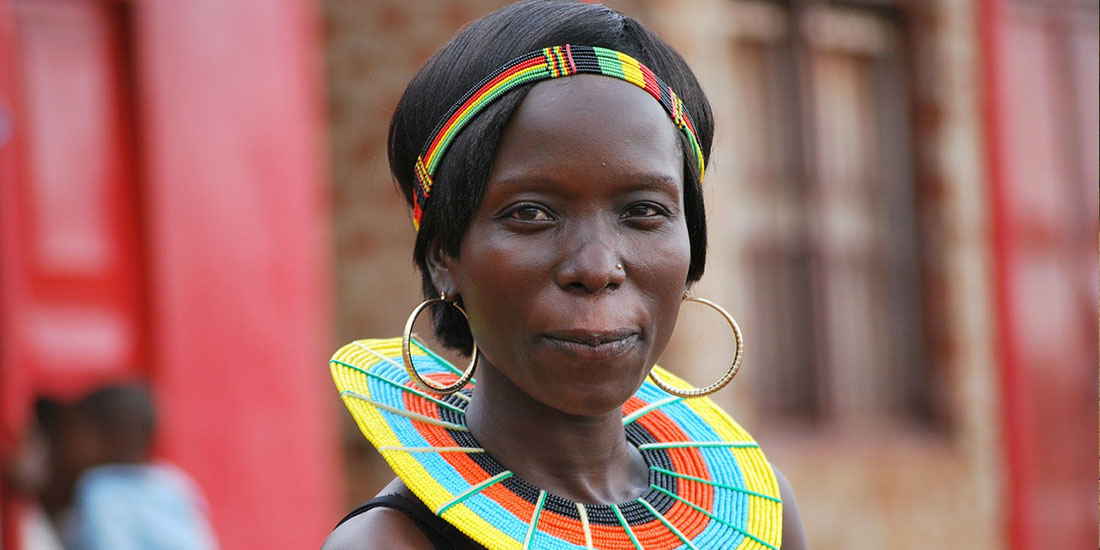
  • Maasai woman wearing a beaded headband and necklace, Tanzania

MAASAI @ Maasai Land


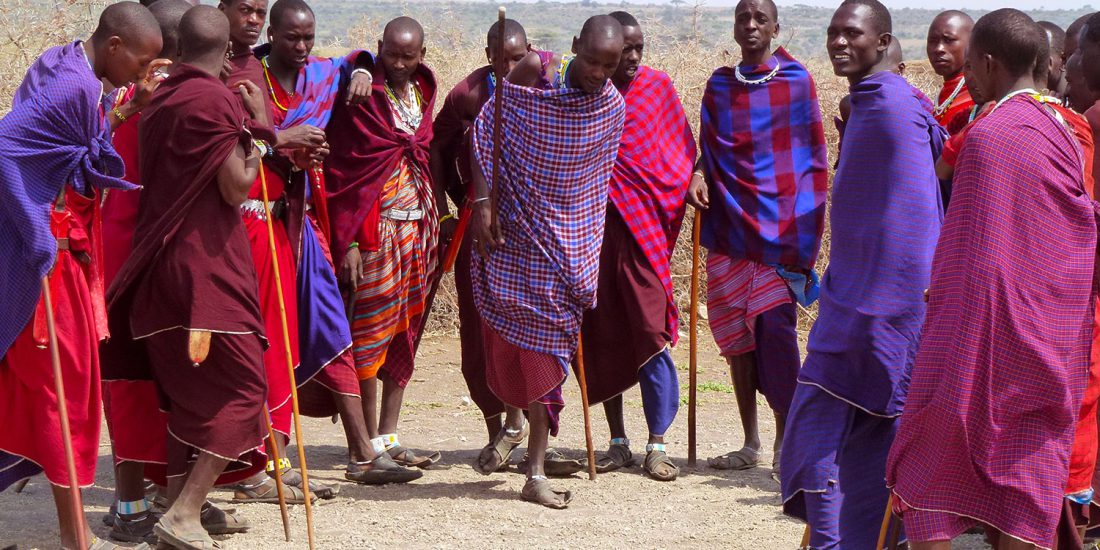
Although the Maasai make up less than 5% of Tanzania’s population, they have become the most recognised symbol of East African culture, instantly identifiable by their red shuka cloth and beaded jewellery.

The Maasai are of Nilotic origin, having migrated to the region from Sudan many generations ago. They are pastoralists whose lives centre on cattle, which hold both economic and deep spiritual significance, and on land, which is regarded as sacred. Many Maasai communities have preserved this way of life with remarkable continuity, even as the modern world has changed around them.

Maasai society is organised around age-sets, with young men passing through a series of life stages marked by ceremony, culminating in becoming a moran, a warrior traditionally responsible for the community’s cattle and safety. Moran are easily recognised by their long, red-ochred hair and elaborate beadwork. Maasai villages, known as boma, are traditionally led by a chief.

A stop at a Maasai boma, a half-day visit, or a full overnight cultural stay can all be arranged.

Contact us for details!
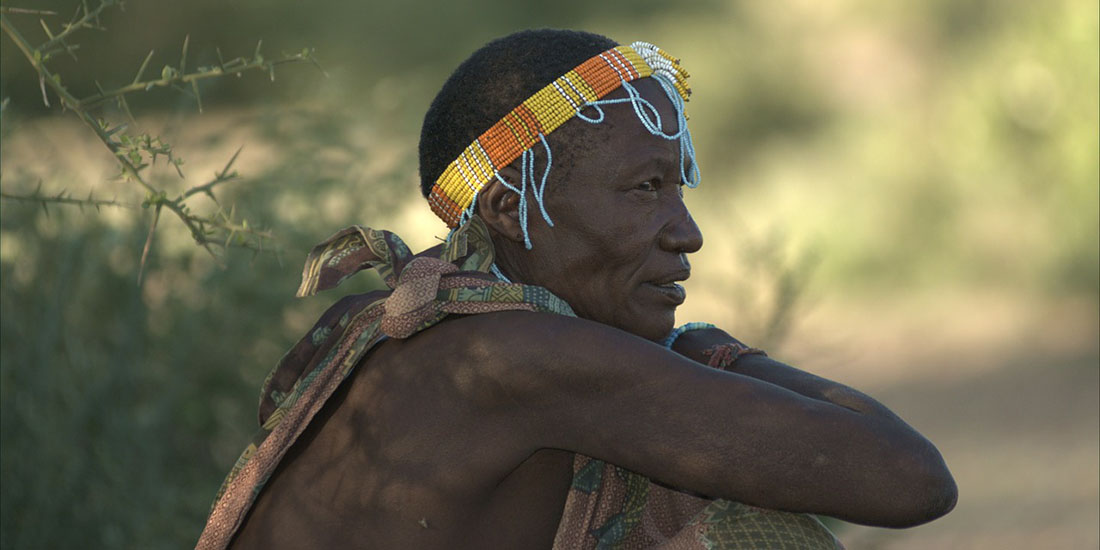
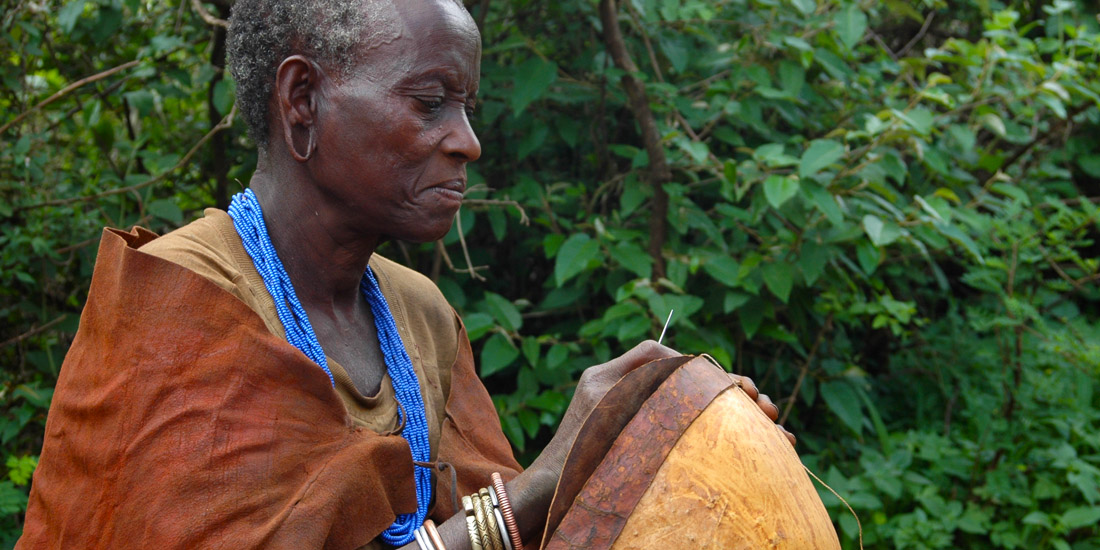
  • Elderly Hadzabe man, Lake Eyasi, Tanzania

HAADZABE BUSHMEN @ Lake Eyasi


Lake Eyasi, Tanzania’s largest soda lake, sits at the southern edge of the Ngorongoro Conservation Area, bordered by the Eyasi Escarpment and the Great Rift Valley to the north and the Kidero Mountains to the south. It is a hot, dry landscape, and on its dry margins, in scattered woodland and bush, live the Hadzabe.

The Hadzabe are one of the last true hunter-gatherer peoples on earth, with archaeological evidence placing their presence in this area back more than ten thousand years. Their language is built around distinctive click consonants, related to those spoken by southern Africa’s San peoples. They live a nomadic life, moving with the seasons and the wildlife they depend on, and while they hold little in the way of material wealth, their cultural knowledge of this landscape is extraordinary.

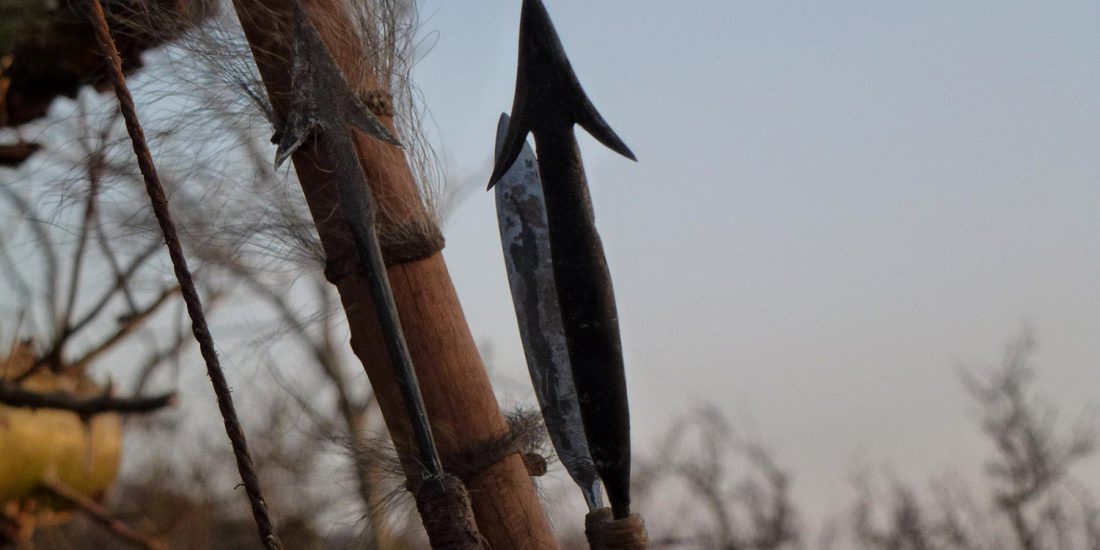
Guests are welcomed to see this way of life first-hand: learning to make fire without matches, joining an early-morning hunt with bow and arrow (sturdy, closed footwear is essential), and spending time with a community that reads the bush in a way few outsiders ever will. It is, for many of our guests, one of the most memorable days of their entire trip.

Contact us for details!

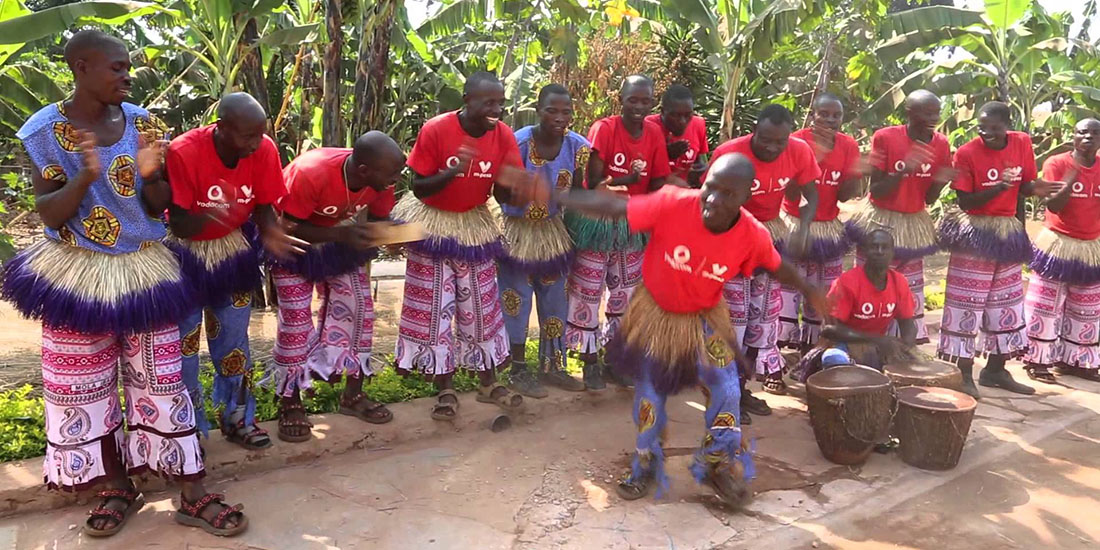
  • Haya men dancing and singing, Tanzania

HAYA @ Lake Victoria


Properly known as the Buhaya, the Haya settled in the Kagera Region of north-western Tanzania, between Rwanda and Uganda, during the great Bantu expansion. They are one of Tanzania’s largest ethnic groups, and Bukoba, on the shores of Lake Victoria, remains their historic heartland.

The Haya were among the earliest African societies to master ironworking, a skill that shaped both their tools and their pottery, and by the eighteenth and nineteenth centuries they had organised themselves into distinct kingdoms, each led by a mukama, a king who governed by hereditary right and oversaw all trade and land use, while everyday farmland was shared communally. Colonial rule gradually eroded this system, though its legacy still shapes the region’s identity today.

The Haya also embraced European-style education and Christianity earlier than most neighbouring communities, producing Africa’s first Roman Catholic Cardinal. Music remains at the centre of daily life, with singing, dancing, and traditional instruments woven into celebrations and everyday gatherings alike.