PURELY TANZANIA

Tribes & Culture


Tanzania is one of the most culturally diverse countries on earth, home to more than 120 distinct ethnic groups, each with their own language, traditions, and way of life. Many of these communities have changed little over the centuries. Not because they have been left behind, but because they have chosen to hold on to what matters.

A cultural visit with Pure Afro Travels is never a staged encounter. We have built genuine relationships with the communities we work with over many years, and the welcome you receive reflects that. Track and hunt with the Hadzabe Bushmen, one of the last true hunter-gatherer peoples on earth, and see the world through eyes that read the bush in a way most of us have long forgotten. Step inside a Maasai boma and be welcomed into a life built around cattle, community, and centuries of proud tradition. Visit the Chagga people on the slopes of Kilimanjaro, farmers and craftspeople whose history is woven into the mountain itself. These are just some of the communities we work with, and each one offers something entirely its own.

Browse our Tribes and Culture section below to see the experiences we offer. Every safari tour and trekking programme can include a cultural visit, either woven directly into your itinerary or added as an extension. It is one of the most meaningful things you can do with a day in Tanzania, and one of the easiest things to arrange.

Get in touch and tell us what draws you. We will do the rest.

MAASAI @ Maasai Land


Although their population is less than 5% of all Tanzanians, the Maasai people out of more than 130 tribes have become the classic symbol of Tanzania and all East Africa.

The Maasai are Nilotic origin and migrated to the region from Sudan. They are pastoral nomads who have vigorously resisted change and today most of them still live the same way of life that they have for centuries.

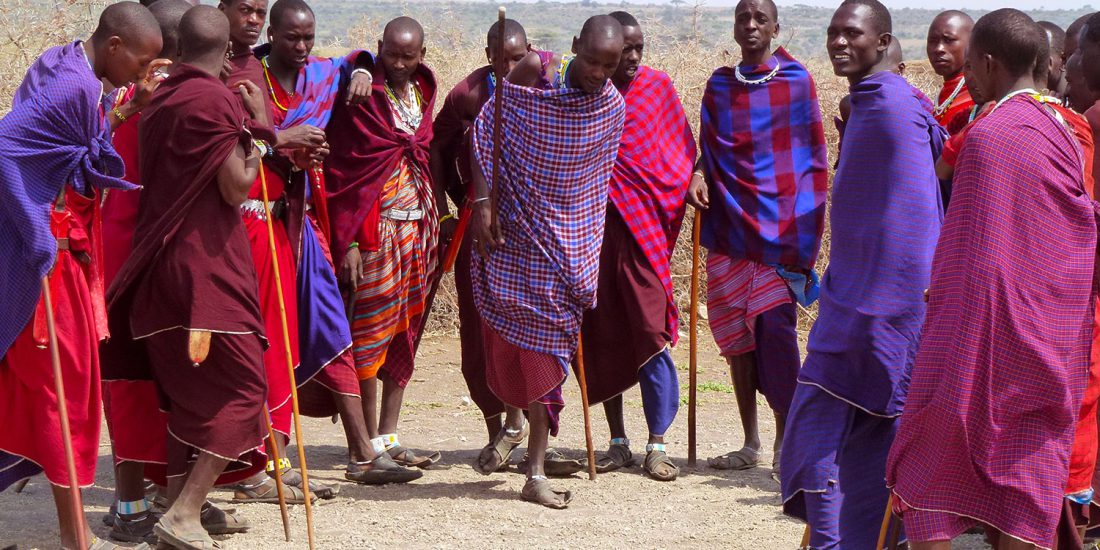
The Maasai culture centres around the cattle and everything related to it is concerned sacred as well as the land. They live in little round villages called boma owned by a Maasai chief. Maasai society is patriarchal and polygamy is wide-spread; the wealth of a chief is measured by the number of his cattle and wives.

The most important part of each Maasai is becoming an adult, when both boys and girls are circumcised; in Maasai world this is the only distinction between a child and an adult. Maasai girls are ready for marriage and Maasai boys become moran or warriors becoming in charge for the cattle; they are easily recognized wearing long red rasta hair and lots of beaded ornaments.

If interested, a stop OR a day visit to a traditional Maasai boma OR even an overnight Maasai cultural experience can be organised.

Contact us for details!
  •  alt=

HAADZABE BUSHMEN @ Lake Eyasi


Lake Eyasi is the largest soda lake in Tanzania, located at the southern part of the Ngorongoro Conservation Area between the Eyasi escarpment in the north which is a part of the Great Rift Valley system and the Kidero Mountains in the south.

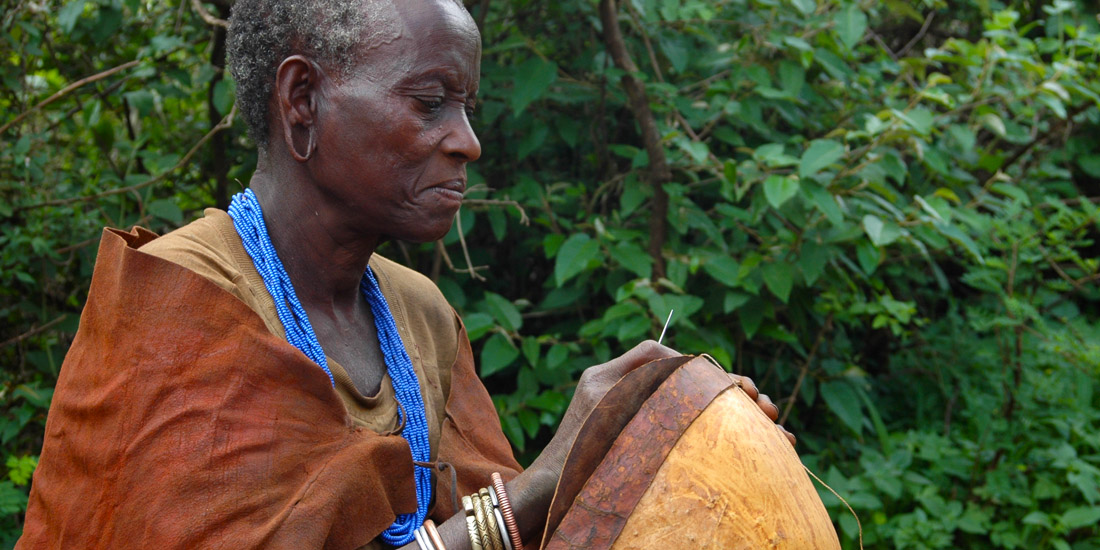
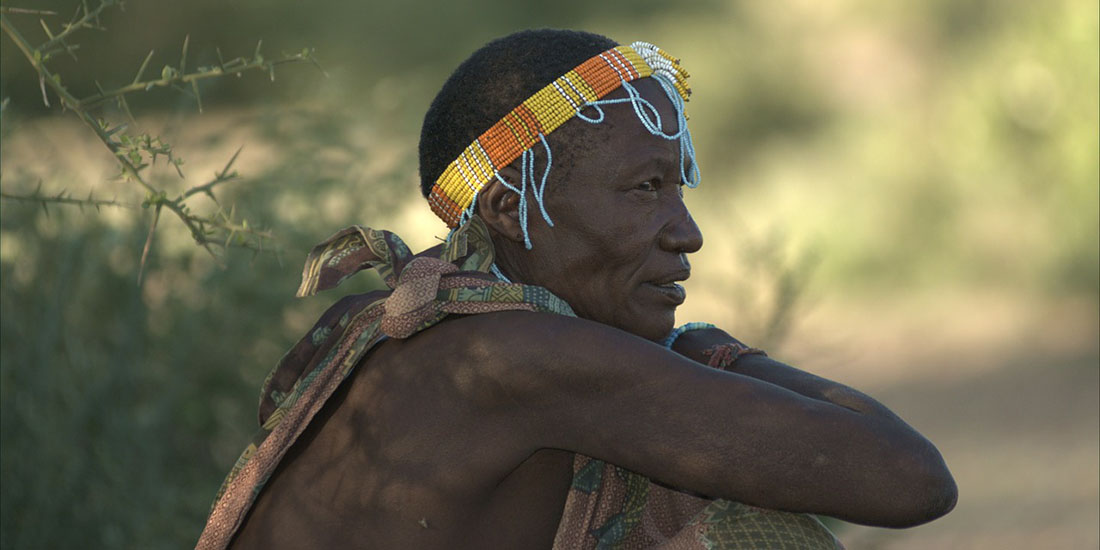
The area is hot and dry and on the dry edges of the lake in the woodland and bush lives the Haadzabe tribe, also known as »the real Bushmen« who are related to the South African Bushmen; they also have a similar »click« language.

It is believed that they have lived in the area for more than 10 thousand years. Their way of living is still the same as in the past; they live a very primitive nomadic life.

Haadzabe are hunter-gatherers and depend on seasonal wildlife migrations. And although they are poor in terms of money, their culture is extremely rich.

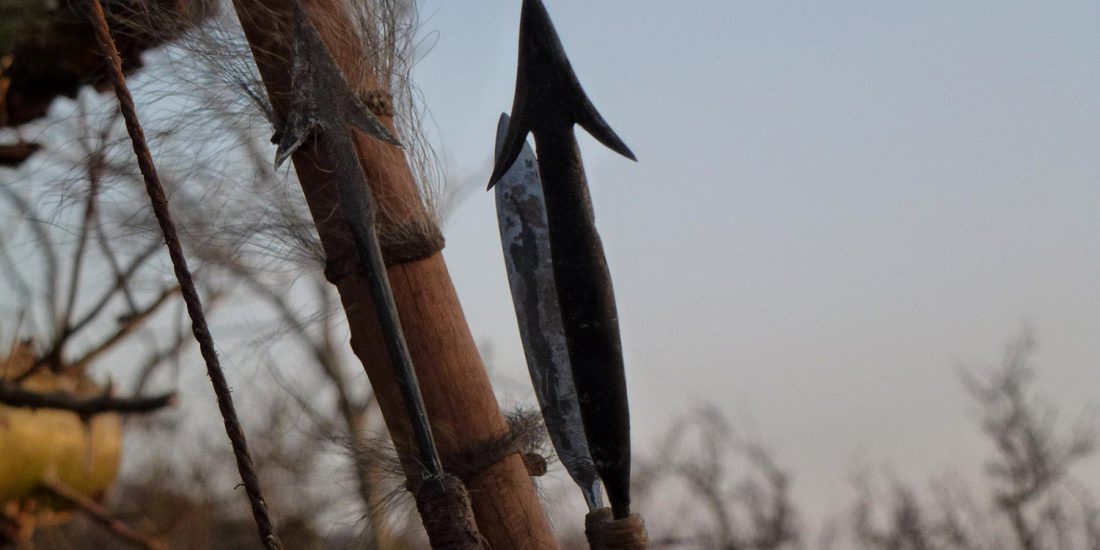
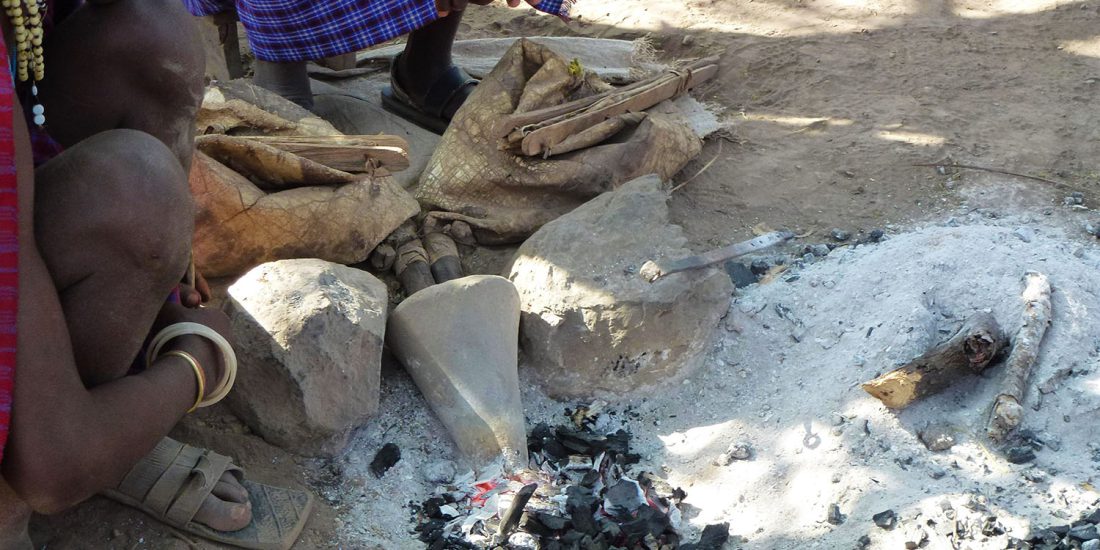
They welcome visitors to see their unique way of living and unusual customs and traditions. They will demonstrate how to make fire without matches and invite you to join them on their everyday hunt in true wilderness so make sure your wear proper footwear.

Do not miss out on this unique experience; it could be a highlight of your travel.

Contact us for details!

HAYA @ Lake Victoria


Properly called Buhaya, the Haya have settled in the Kagera Region of north west of Tanzania (south of Uganda and east of Rwanda) during the time of the Bantu expansion.  

The Haya are one of Tanzania’s largest tribes and a prominent player in the country’s history, with Bukoba town on lake Victoria as their heartland.

The Haya are believed to be some of the earliest inhabitants in the area to practice metal work which allowed them to create various new forms of pottery.

They had one of the most highly developed early societies in Africa continent and by the 18th or 19th century were organised into different kingdoms. Each was headed by a powerful and often despotic king (mukama) who ruled in part by divine right. It was the mukama who controlled all trade and who, owned all property, while land usage was shared among smaller communes. Arrival of the colonials eroded this political organisation.

Compared to other nearby tribes, the Haya adopted the European style of formal education much sooner; as well as christianity  yielding the first African Roman Catholic Cardinal.

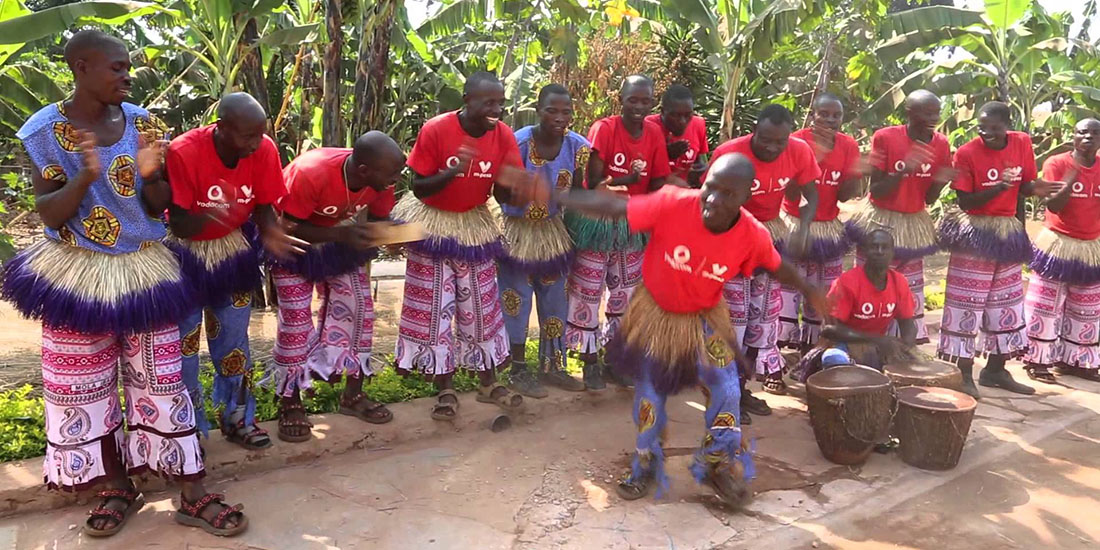
Musical performances – singing, dancing, and playing of musical instruments – are to this day an integral part of the Haya tribe everyday life.