The Selous Game Reserve is one of the largest faunal reserves in the world and the largest game reserve in Africa. Covering approximately 55,000 sq. kms (~21,235 sq. miles), it is four times the size of the Serengeti National Park, represents more than 5% of Tanzania’s total land area, and is even larger than Switzerland.
The reserve was named after the English explorer and hunter Frederick Selous, a famous big-game hunter and early conservationist who died at Beho Beho in 1917 while fighting against German forces during World War I.
In 1982, the Selous was designated a UNESCO World Heritage Site in recognition of its extraordinary wildlife diversity and its largely undisturbed natural environment.
In 2019, the northern section of the Selous Game Reserve was officially gazetted as Nyerere National Park, named in honour of Julius Nyerere, the founding father and first President of Tanzania.
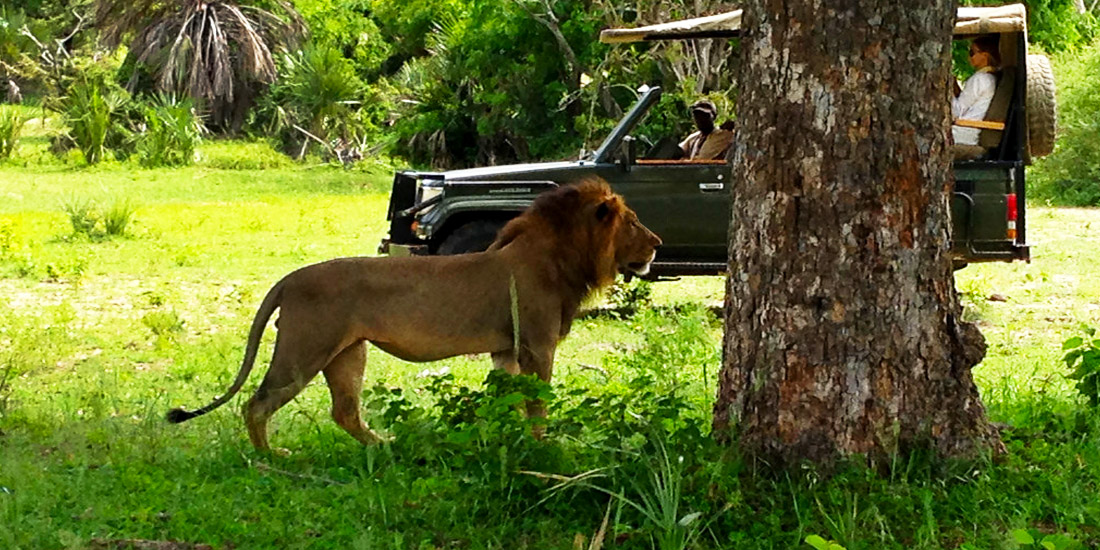
This vast ecosystem remains one of Tanzania’s most remarkable and relatively untouched wilderness areas. The reserve supports large populations of elephants, as well as hippos inhabiting the river systems, and smaller populations of the endangered black rhino.
Other wildlife commonly found in the area includes buffalo, lions, leopards, cheetahs, giraffes, zebras, wildebeest, and warthogs, as well as rare and endangered African wild dogs.
Antelope species include greater kudu, sable antelope, eland, waterbuck, reedbuck, bushbuck, and hartebeest.
Birdlife is equally impressive, with over 350 recorded species, including Bateleur eagles, African snipe, crested larks, green-headed orioles, knob-billed ducks, herons, kingfishers, geese, and the Southern ground hornbill.
Reptiles such as crocodiles and various snakes and lizards are also present throughout the reserve.
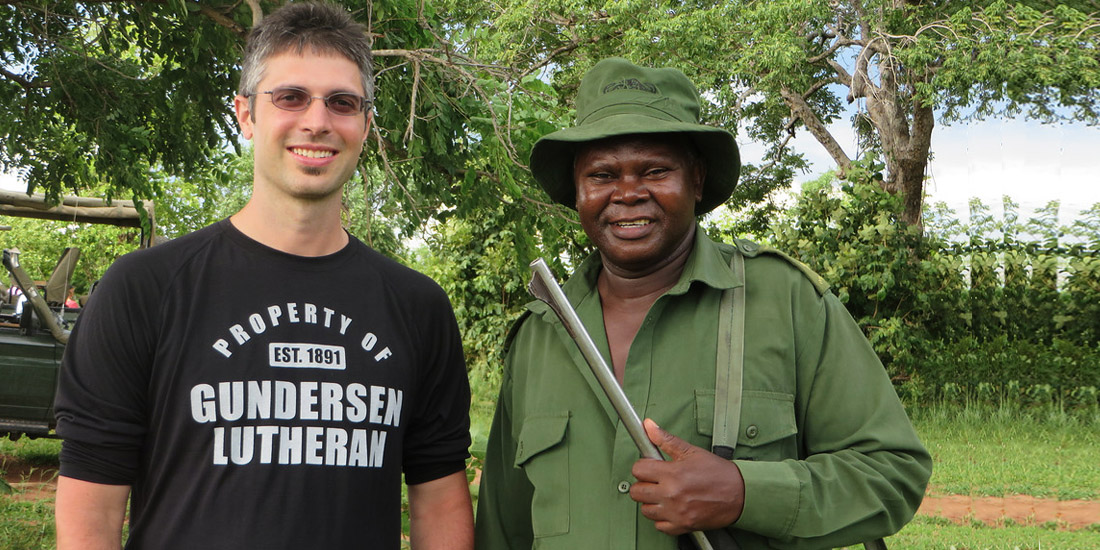
Nyerere National Park is a section of northern Selous along the Rufiji River. Covering 30,893 sq. km (~11,900 sq. miles), it is Africa’s largest national park, roughly the size of Belgium and about twice the size of Serengeti National Park.
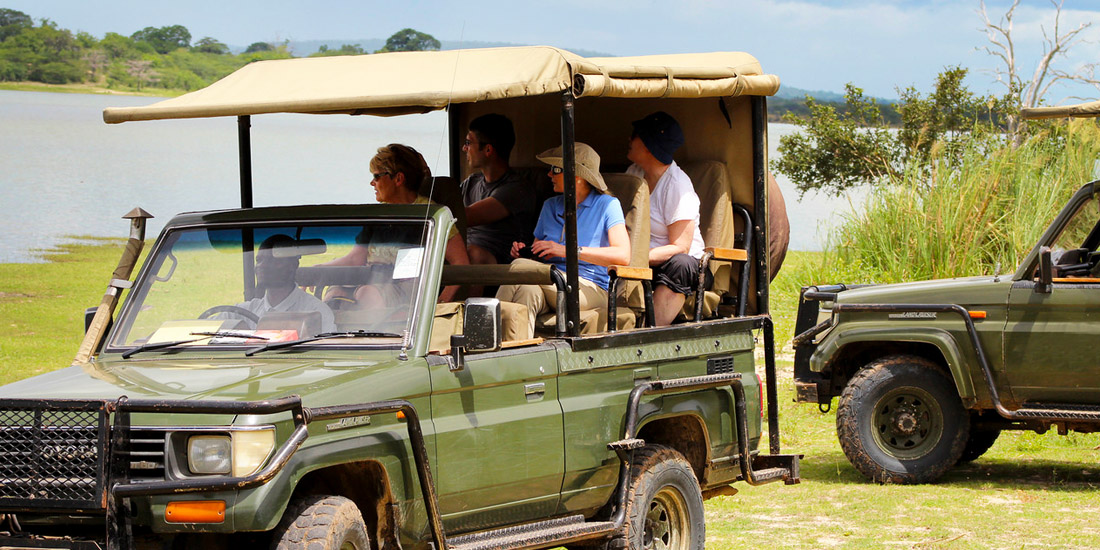
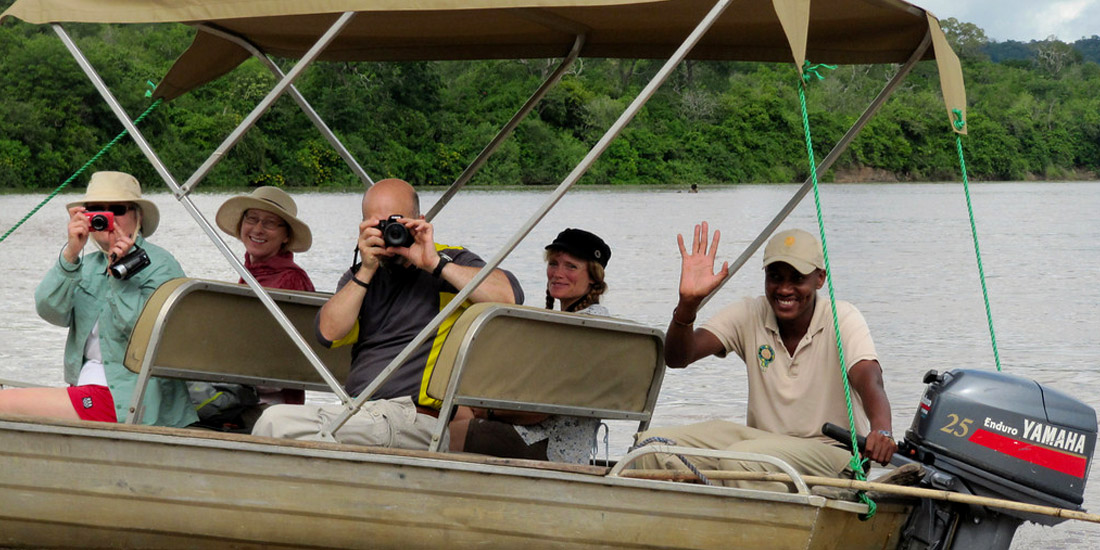
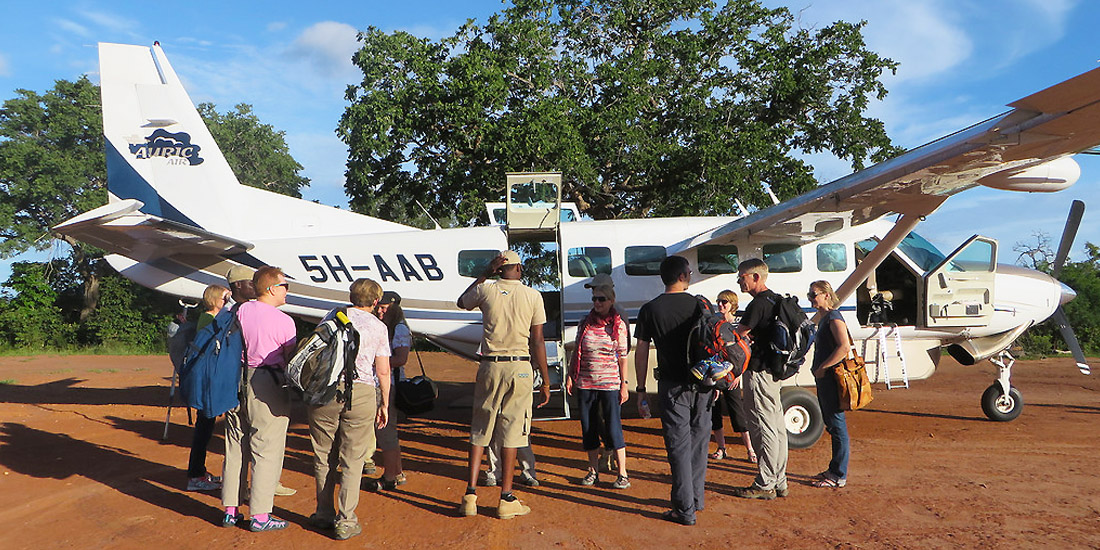
This area is designated as a photographic tourism zone, with several high-end lodges and camps located mainly along the Rufiji River and its lake systems. Due to limited road access, most visitors conveniently fly from Dar es Salaam or Zanzibar to one of the bush airstrips inside the park.
Among the most interesting natural landmarks are the Rufiji River, which eventually flows into the Indian Ocean opposite Mafia Island, and Stiegler’s Gorge, a spectacular canyon approximately 100 metres deep and 100 metres wide.
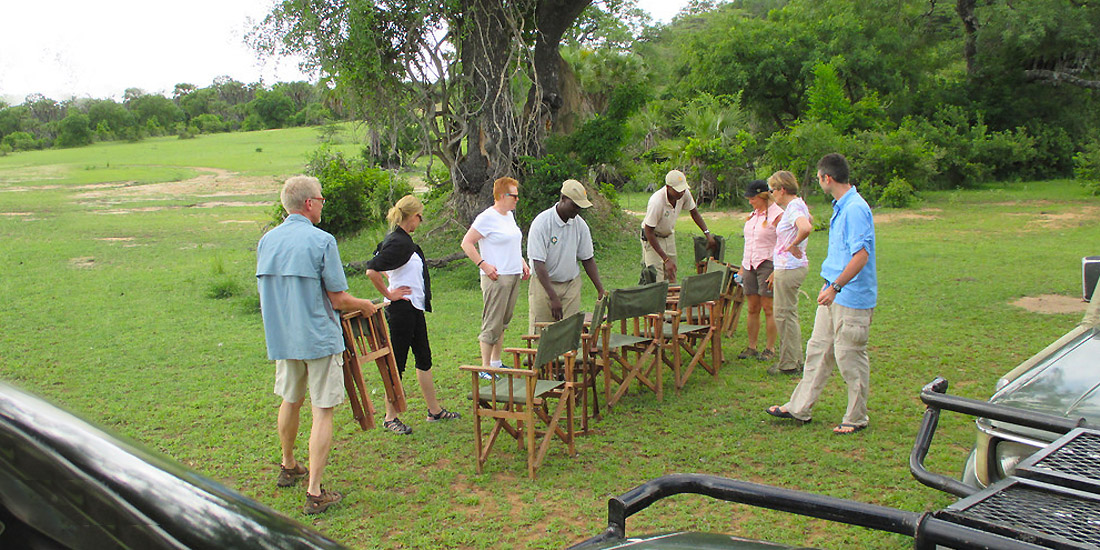
Habitats within the reserve include open grasslands, Acacia savannah, wetlands, and extensive Miombo woodlands. Unique safari experiences such as walking safaris are permitted in the area, while boat safaris along the Rufiji River are among the park’s most popular activities.